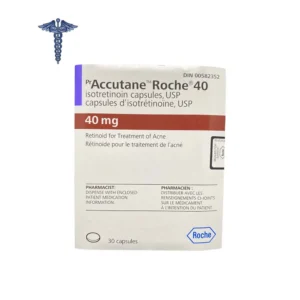
Accutane (Isotretinoin) Guide
Accutane, also known as isotretinoin, is a prescription medication commonly used to treat severe and persistent acne. It is typically recommended when other treatments have not been effective. This page provides a complete overview of Accutane, including how it works, potential side effects, and important safety considerations.
What Is Accutane (Isotretinoin)?
Accutane is a powerful oral retinoid derived from vitamin A. It is widely prescribed for severe acne, particularly nodular or cystic acne that may lead to scarring. Unlike topical treatments, isotretinoin works internally to address the root causes of acne.
Because of its strength, Accutane is only available with a valid prescription and requires proper medical supervision throughout treatment.
How Accutane Works
Accutane targets multiple underlying causes of acne at the same time. It reduces oil production in the skin, helps prevent clogged pores, decreases inflammation, and limits the growth of acne-causing bacteria. This multi-action approach is what makes it one of the most effective acne treatments available.
By addressing these factors simultaneously, Accutane can provide long-term improvement and, in many cases, lasting acne clearance.
Who May Be Prescribed Accutane?
Accutane is generally prescribed for individuals with severe acne that has not responded to other treatments. It may also be recommended for moderate acne that persists despite consistent use of topical or oral therapies.
A licensed healthcare provider will evaluate your condition and determine whether isotretinoin is an appropriate option based on your medical history and treatment needs.
Dosage and Treatment Duration
The dosage of Accutane varies depending on body weight and severity of acne. Treatment typically lasts between four and six months, although this can differ from patient to patient.
Regular follow-up appointments are important during treatment to monitor progress and ensure safe use of the medication.
What to Expect During Treatment
Some patients may experience an initial flare-up of acne when starting Accutane. This is usually temporary and followed by gradual improvement. Over time, breakouts become less frequent, and skin begins to clear.
Consistency and adherence to medical guidance are key to achieving the best results.
Side Effects and Considerations
Common side effects of Accutane include dry skin, chapped lips, and increased sensitivity to sunlight. These effects are generally manageable with proper skincare and hydration.
More serious side effects may include changes in liver function or mood-related symptoms. Because of this, patients are typically monitored closely during treatment.
Accutane must not be used during pregnancy due to the risk of severe birth defects.
Safety and Responsible Use
Accutane should only be used under the supervision of a qualified healthcare provider. Patients are advised to follow all medical instructions, attend regular check-ups, and report any unusual symptoms.
Proper use ensures both safety and effectiveness throughout the treatment process.
Long-Term Results
Many patients experience long-term or permanent improvement in their acne after completing a course of Accutane. While results can vary, it remains one of the most effective treatments for severe acne.
Get Accutane with a Valid Prescription
Access to Accutane requires verification of a valid prescription from a licensed healthcare provider. This ensures that the medication is appropriate for your condition and used safely.
If you have been prescribed isotretinoin, you can proceed through a secure verification process before accessing treatment options.
Important: Never use prescription medications without proper medical approval.
Final Thoughts
Accutane is a highly effective treatment option for individuals struggling with severe acne. When used responsibly and under medical supervision, it can provide long-lasting results and significantly improve skin health.
Disclaimer
This content is for informational purposes only and does not constitute medical advice, diagnosis, or treatment. Always consult a licensed healthcare provider before using any prescription medication.